Shortcuts
  • Common Ground
  • Summer Conference
  • Residential Fellowship
  • Vocational Programme
  • Sign Up
  • Instagram
  • Facebook
  • Lead Programmes
    • Summer Conference
    • Residential Fellowship
    • Vocational Programme
    • Evening School
  • Vocational Centres
    • Centre for the Arts
    • Centre for Business & Leadership
  • Courses & Events
    • Conversation Evenings
    • Short Courses
  • Resources
    • Store
    • Common Ground Magazine
    • Venn Presents
  • Who We Are
    • About
    • Our Story
    • Our People
  • Donate
  • Contact
Venn Foundation
58 Hillsborough Road
Hillsborough, Auckland 1042
Email: mail@venn.org.nz Phone: +6499294988
PO Box 163138
Lynfield, Auckland 1443
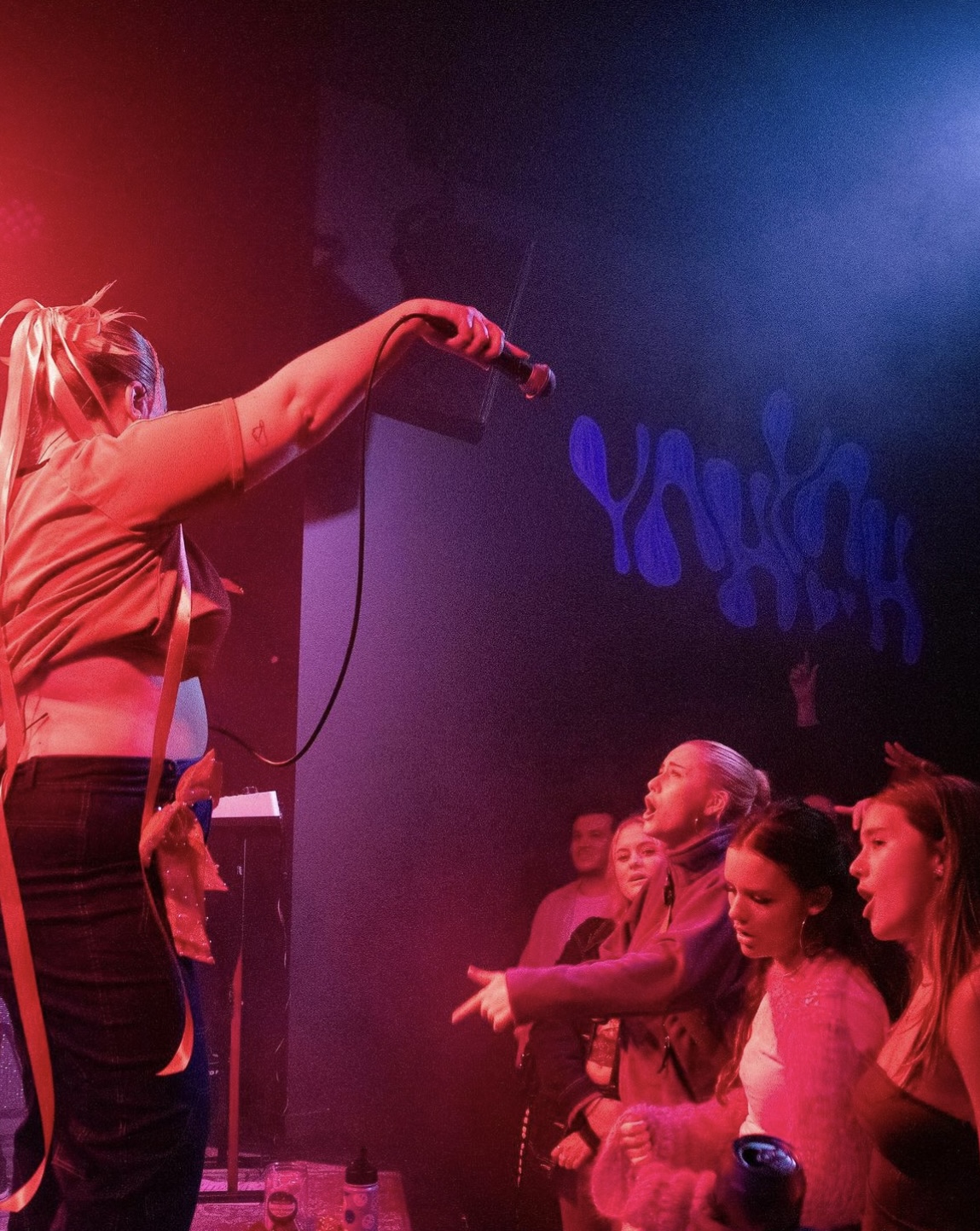
Image by Dylan Rush
  • Link copied!

YAHYAH: An Interview

By Jannah Dennison >> 12 min read
Arts Arts, Photography, Music Interviews

New Zealand-born singer/songwriter Holly Cameron, aka YAHYAH, returned to New Zealand in 2021 after a long period living and working in London and then Los Angeles. She describes her musical influences as broad, ranging from RnB to jazz, pop to dance music, and her own electronic pop style has been appealing to growing audiences across Aotearoa, New Zealand and beyond. Here, in her own words, YAHYAH muses on her music and faith journey so far.—Ed.


I grew up the youngest of four girls. I’m Scottish and Irish—my Mum’s Māori, and my Dad’s Scottish and Irish. My Dad’s probably got the most Scottish name in all the land: Euan Patrick Cameron. We have our own tartan, the Cameron tartan!

I remember as young as five being in front of the church Christmas service, singing “Silent Night.” I was just a little born creative—Mum saw that and put me into piano lessons. I couldn’t stand the lessons, but I loved playing! I did that for three and a half years. We had a lot of freedom in what we did. We were living in Te Awamutu, and I just have the fondest memories of childhood. We used to enter piano competitions and do duets together and things. It was a bit of everything musical when I was little. Mum and Dad definitely encouraged me and invested in lessons. We weren’t well off, but we were definitely loved and looked after to help us pursue what we wanted to pursue. Reflecting on it now, I just feel super, super lucky that Mum and Dad invested not only the time but the money. They had a piano in the house and whatever we needed. Once you start singing in church, there’s always the guy singing “God of Wonders” on guitar. So, I thought, “I’m gonna learn guitar.” I had guitar lessons and learned the flute as well, then a bit of bass guitar—just literally anything I could get my hands on. I was around 13 when I wrote my first proper song. I was also really enjoying writing poetry at the time.

I went to Waikato Diocesan for high school, and I’d travel across on the bus for an hour each morning from Te Awamutu to Hamilton—and God just knew and aligned people to look out for me. I had the most supportive, amazing music teacher—Mrs Cameron Price—who saw a lot in me, and pushed me and would always be saying, “Do you want to enter Rockquest? Do you want private lessons? Do you want to do this?” Me and my friends actually formed a band. We entered Rockquest and won Best Original Song when we were 14 or 15. That was quite a feat because Kimbra was in our competition! She won for our region, but we felt great that we got the original song prize.
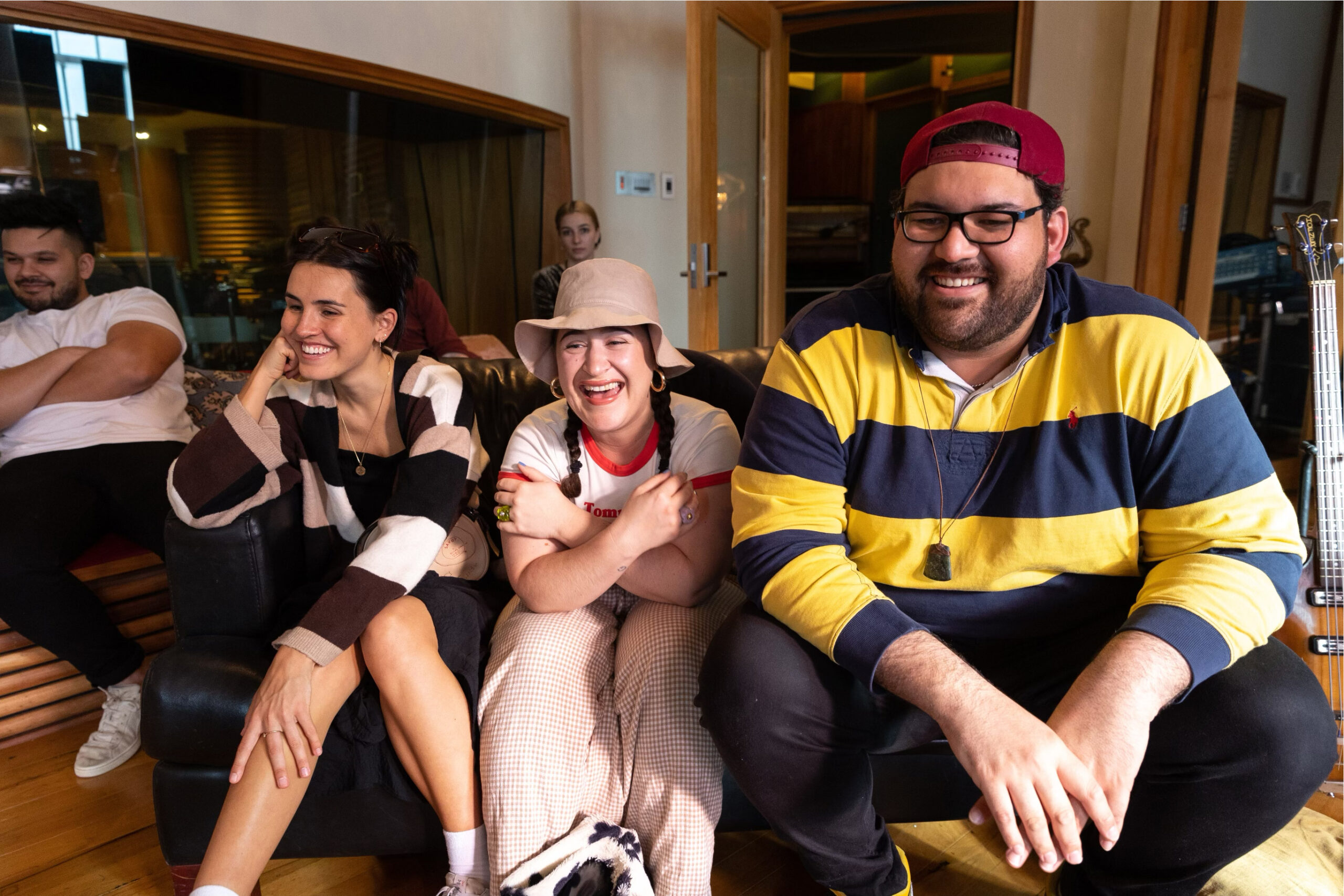
Credit Elyse Creative

I was 16 when God called us to London. Mum and Dad and I had gone when I was 15, for a month, to visit my sisters in London, and we also visited the south of France, Scotland, and Ireland. We came back, and then Mum said, “God’s telling us we’re moving to London.” Mum was very faith-based; God says something, and she’s like, “I’m there.” Dad’s a thinker. He has amazing faith, but Mum was just wild with her faith. It was always super inspiring. We were able to get residency through my Dad because he had an Irish passport, so we were really, really lucky to be able to live there for 10 years. We went to the UK, and then I thought, “What am I going to do here? I guess I’ll do music.” I studied a vocal diploma for a year and really connected with the song-writing stream of it. I did an intensive song-writing course after that and got a lot of extra attention from the teacher running it, which made me feel like this was something I could potentially do. We were also at Hillsong [Church], and I met a lot of really, really amazing, talented creatives. I jumped on the worship team, and I was serving with the young kids … I just had such a heart to be using my gifts for God. I was meeting producers and other people there, and it all just snowballed to being like, “Oh my gosh, I love writing songs. I love being in the studio. I love performing. If I could get paid for this one day in any capacity … not to be super huge, rich, and famous, but just to pay the bills and a little bit more—what a dream to be able to get to that place.”

When I was 26, I moved to LA and then got offered management as a songwriter. It was just writing nonstop for whoever I could—up-and-coming artists, friends, jam sessions. I was also doing different jobs, catering and stuff, just to survive. You kind of get into the hustle of it all. Everyone’s doing it. Everyone’s got 14 side jobs. I really put my own artist project on the backburner in LA, mainly because I was surrounded by people that were such amazing writers. I thought, “If I can become the best writer I can be, I can do this forever and be an asset to write for others until I’m 100.” I worked on getting the skill set to just be the best writer I can be and shine a light in the room, and have an opportunity to help people and bring out the things they’re dealing with and put it into song form. I wanted to serve the vision of where they want to go. That is honestly even more of a high than doing my own music because I’m so much more self-critical when I write my own stuff, but when it’s for others, it’s more about “Listen up, we can do this!”

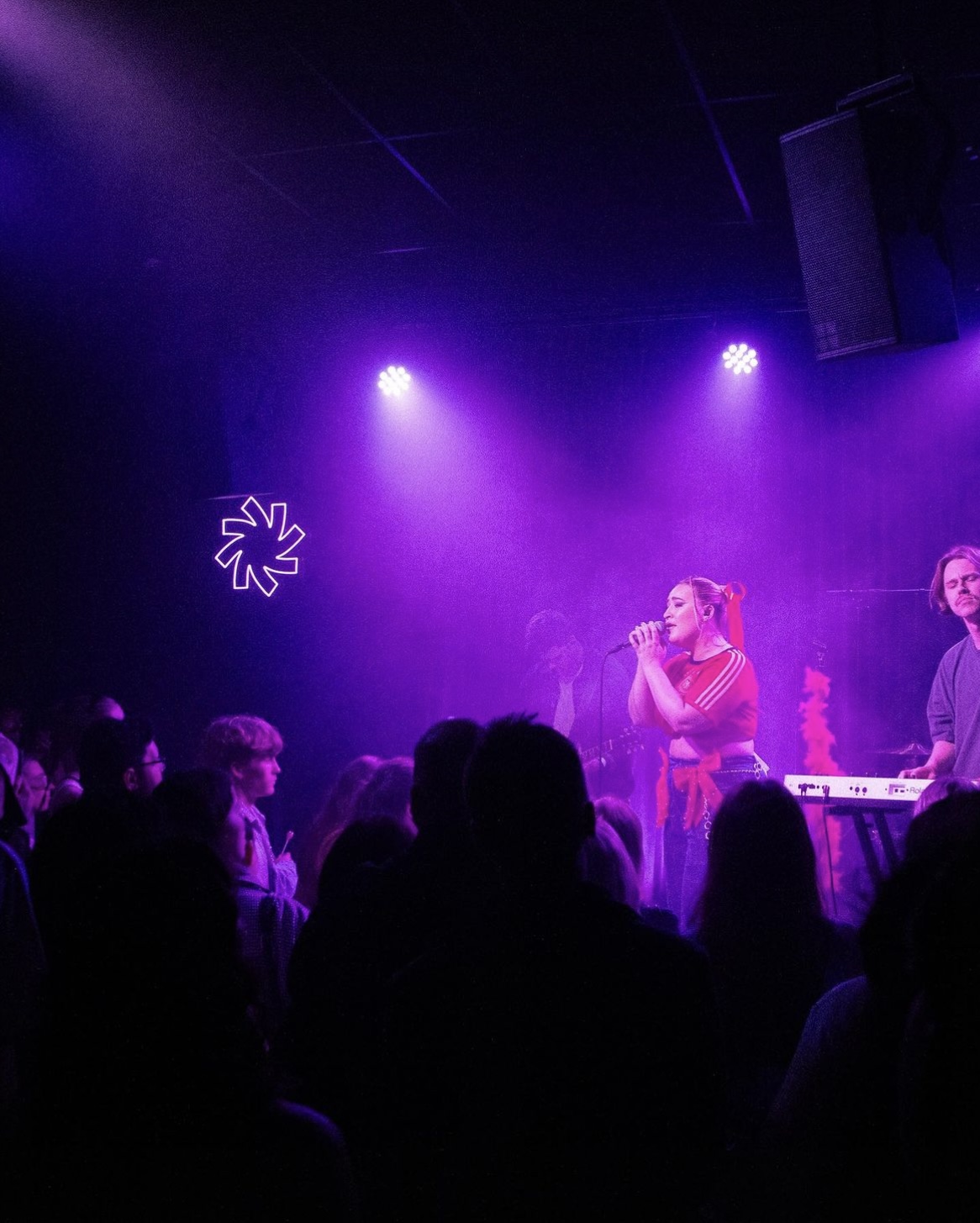
Credit Te Rawhitiroa Bosch 2

I wasn’t performing in LA, and I wasn’t really writing for me at all—I only released one song. And then COVID was a really weird time. Coming back to New Zealand, I felt like I’d kind of been in the dark long enough. I thought, “I’ve got the inspiration and the skills now to really write some great music for me and express myself because I’ve been pouring myself into others’ work, really, for four and a half years.” When I came back in January 2021, I said, “I’ll come back for three months.” I still had my car, my apartment, things in Los Angeles. Then God just started speaking to me, and he said, “I think you’re here for longer than you think.” I had a friend from Houston, Pete Wilson, who was the creative pastor at Lakewood Church. His wife is Māori, and we all bonded when we lived in London. In the six months before I flew back to New Zealand, he said, “I think when you go home Holly, God’s going to use you as a light in the industry. I think you just need to go with the flow—don’t have a set plan, just know that God’s going to use you to make an impact in the music industry.” God confirmed this decision in various ways, so I ended up staying. It’s been the best decision ever. Opportunities started arising, and I started meeting the best people. One of the first people I jumped into the studio with was a guy called Bill Henderson, who is a Christian, and who is now one of my main producers. He’s like a brother to me. God just completely covered me and surrounded me with beautiful people that wanted to sow the time in to bringing my artist project to life again.

I have very strong convictions of who I am in God and my identity in him. So, I think that’s just a really lovely overflow—that my music will always honour him, and be honest and connect. That’s how it connects with people because it isn’t a disconnect of who I am.  Whether it’s writing a song about mental health or a broken relationship, it always has that honesty to it. A lot of the time, I’ll know whether I’ve hit the jackpot. I play all my songs to my Dad. He is the one who will always pick the special ones out. I’ll play everything, and he’ll be saying, “When’s that one on the radio?” I’m like, “Dad, that’s not how it works. But fingers crossed.”

When I’m in the studio, I’m always asking God for some writing for others or myself, asking for guidance, for wisdom from heaven. And I say, “God, you have all the creativity in the world. Just impart me a smidge, and I’m going to be all good.” Two of my band members are Christian, and no matter what, before we get on stage, we always pray. I had my final moment on tour on Friday night, and we were rushed, and we were getting on stage, and I stopped it—I came to my manager and said, “We’re praying. We can’t do this without God. I need him.” We do the preparation, but we commit whatever’s next to him. He’s the reason I’m here, and he’s the reason why I have breath in my lungs. He’s the reason why I have songs to sing, so I always, wherever I can, honour him. It brings me back to a super grounded place as well.

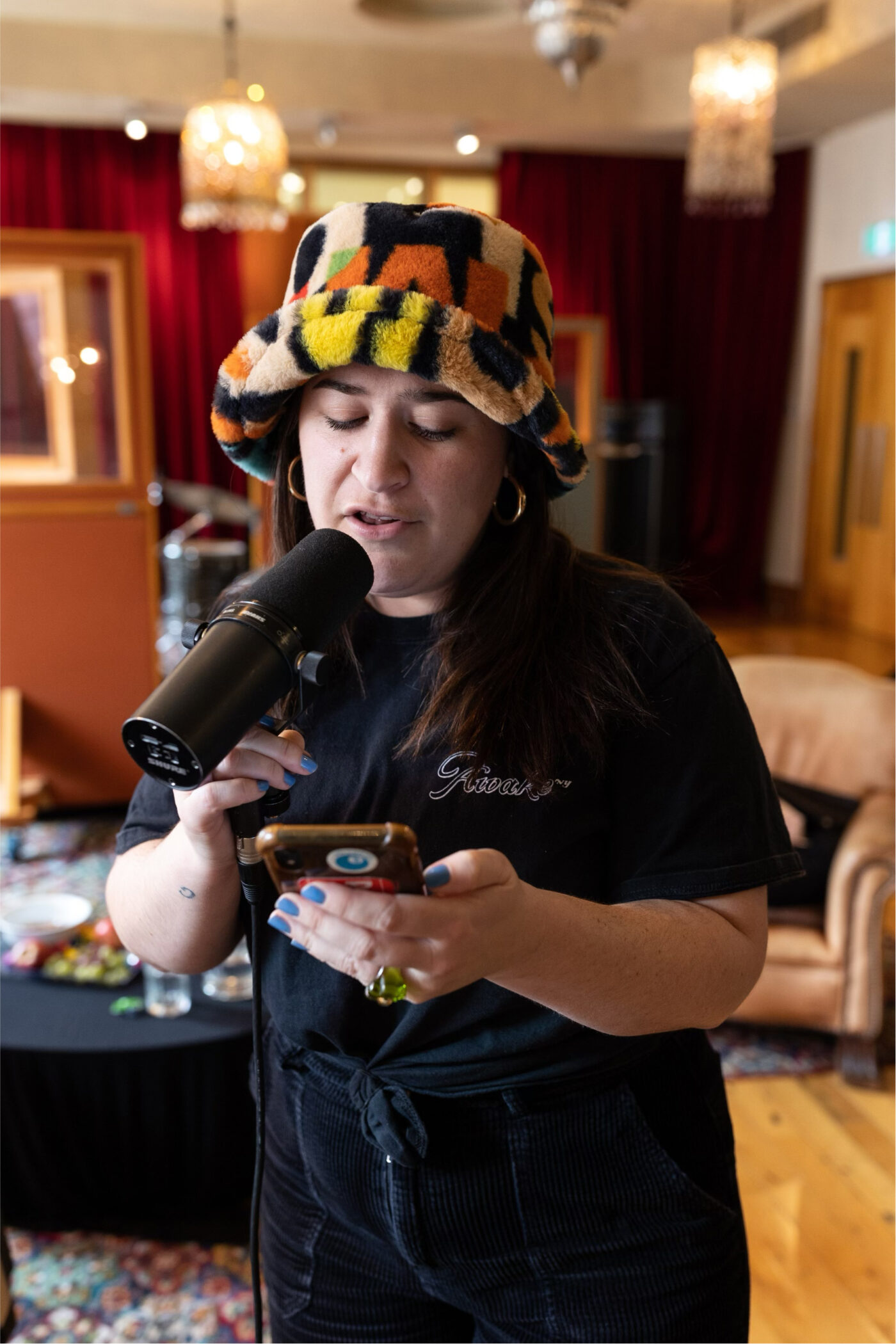
Credit Elyse Creative 2

Oh my gosh. The journey into singing in te Reo [Māori] has been crazy. It always gets me emotional talking about it because my Mum passed away about eleven and a half years ago. Coming back to New Zealand, I got in touch with a lot of my Mum’s family because I wanted to see them, I wanted to visit them. I just wanted to hear stories about my Mum and feel connected to her again and connected to Aotearoa, this land. All of this pushed the trajectory of me going, “OK, I want to sing in te Reo, but I have no idea where to start.” So Anthony Healy, the head of APRA [Australasian Performing Right Association], connected me to Dame Hinewehi. We got to know each other, and I said, “I want to sing in te Reo. I’m not fluent, I just know the basics. What’s the next step?” And she said, “Why don’t we translate a song because then you’ve got the melodies and everything there? Then we’ll work on your pronunciation and getting you in the zone that way.” She connected me with a translator, who’s now one of my really good friends. We spent probably two or three months, once a week, with a whiteboard, going through “Ngā Mahara Moenga,” a song about mental health, which I was struggling with around COVID times. I’m an extrovert, so being by myself—it’s not a vibe. This is one is my most streamed songs. When I sing into it, it connects me to my Mum. I feel like it connects me to my soul and who I am as a person, growing up around [te reo Māori], hearing it fluently spoken by my Mum’s family. I have had a whole tribe and team of people encouraging me and cheering me on, and I’ve had people come up to me after concerts saying, “We love your English songs, but when you sing in te Reo, something happens in us—we can feel that connection.” So, it’s been amazing.

When I write songs, I use the Notes app—it’s where I put all my ideas and lyrics when they first come to me. I am always a lyricist first because I grew up writing poetry and absolutely loving it. The melodies come very easily to me too. I’ll usually get into the studio with my producer, and maybe have some idea of what we’re going to write. I’ll be feeling something, or I would have written a paragraph or a couple of lines down. It might have a reference to a song; I might be saying, “Oh, I’m really liking this vibe.” Then the producer will either start flitting away with a beat or piano or something on guitar. I’ll say, “Can we morph that but have it double the speed of that?”, and then I just start going into my little producer mind. It really happens quite quickly for me and creatively because I did it nonstop in LA. It becomes like breathing to me. I love it. Sometimes I get on the mic, and the producer loops the song or the verse section and I’ll do a bit of a scat, like a little low freestyle. Yeah, it’s super fun. Honestly, other than performing, it’s definitely my favourite place to be.

Credit Te Rawhitiroa Bosch

Image 1/5 (Banner): by Dylan Rush
Image 2/5: by Elyse Creative
Image 3/5: by Te Rawhitiroa Bosch
Image 4/5: by Elyse Creative
Image 5/5: by Te Rawhitiroa Bosch

Arts Arts, Photography, Music Interviews
More from
Jannah Dennison +

Keep
Exploring

All articles from
this edition

Sewing still Edition Feature
Common Ground
December 2023 Edtn

Common
Ground

December 2025 Edtn >>
Wait for the Lord

Sign up to receive Common Ground in your inbox

Sign Up
Shortcuts
  • Common Ground Editions
  • Residential Fellowship
  • Vocational Programme
  • Sign Up

Copyright © 2026
Venn Foundation

Venn Foundation

58 Hillsborough Road
Hillsborough, Auckland 1042

Email: mail@venn.org.nz

Phone: +64 (9) 929 4988

Post: PO Box 163138
Lynfield, Auckland 1443

Venn Foundation logo
Stay in the Loop

Receive all the latest information about Venn events, resources, programmes, and updates.

Sign Up
  • Instagram
  • Facebook
Support Us

Venn Foundation is a Charitable Trust (CC28328). If you would like to support our mission and work we would love to hear from you.

Donate Now

Design by Andy Campbell

Venn Foundation logo
  • Instagram
  • Facebook

Copyright © 2026
Venn Foundation

Design by Andy Campbell