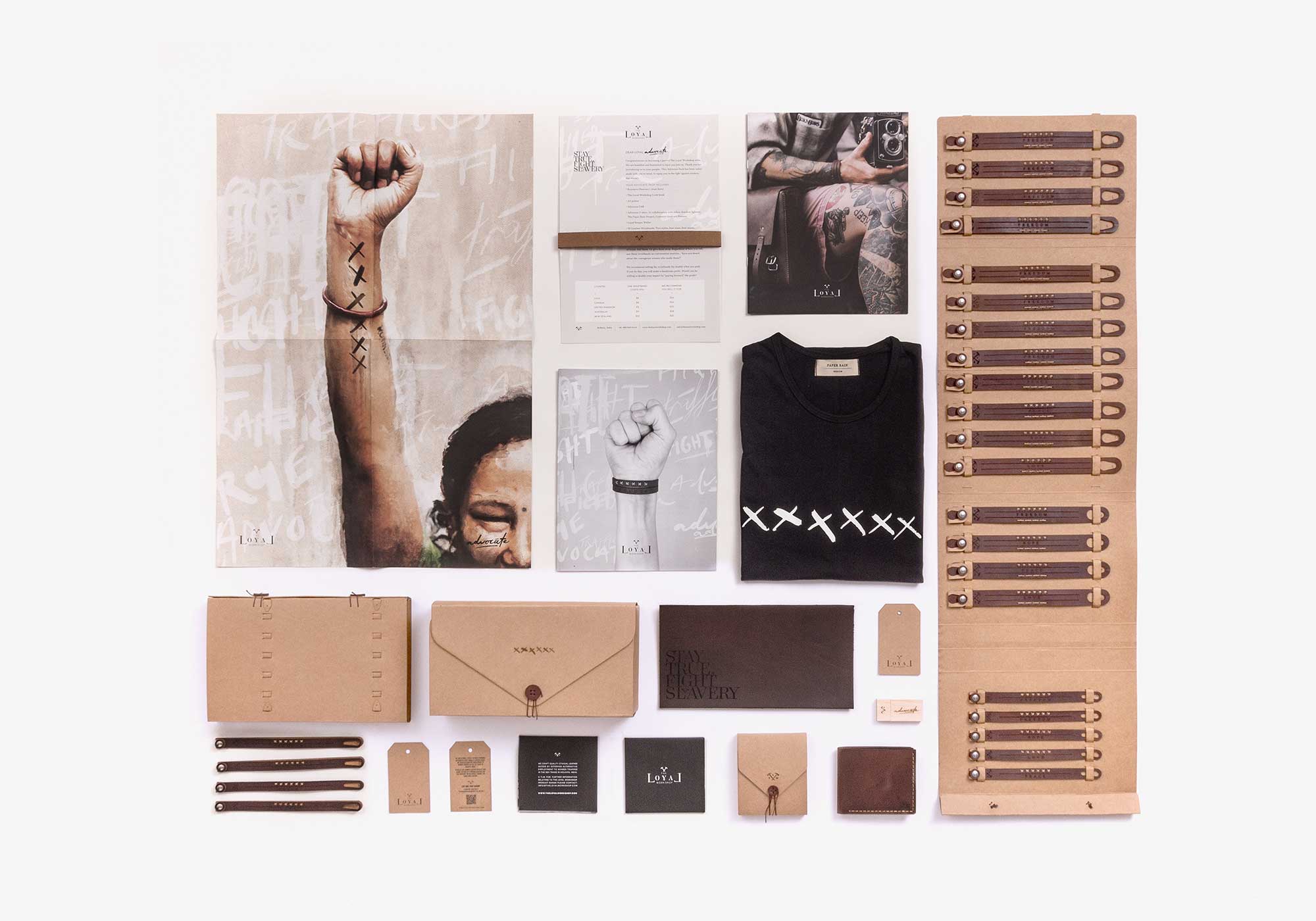
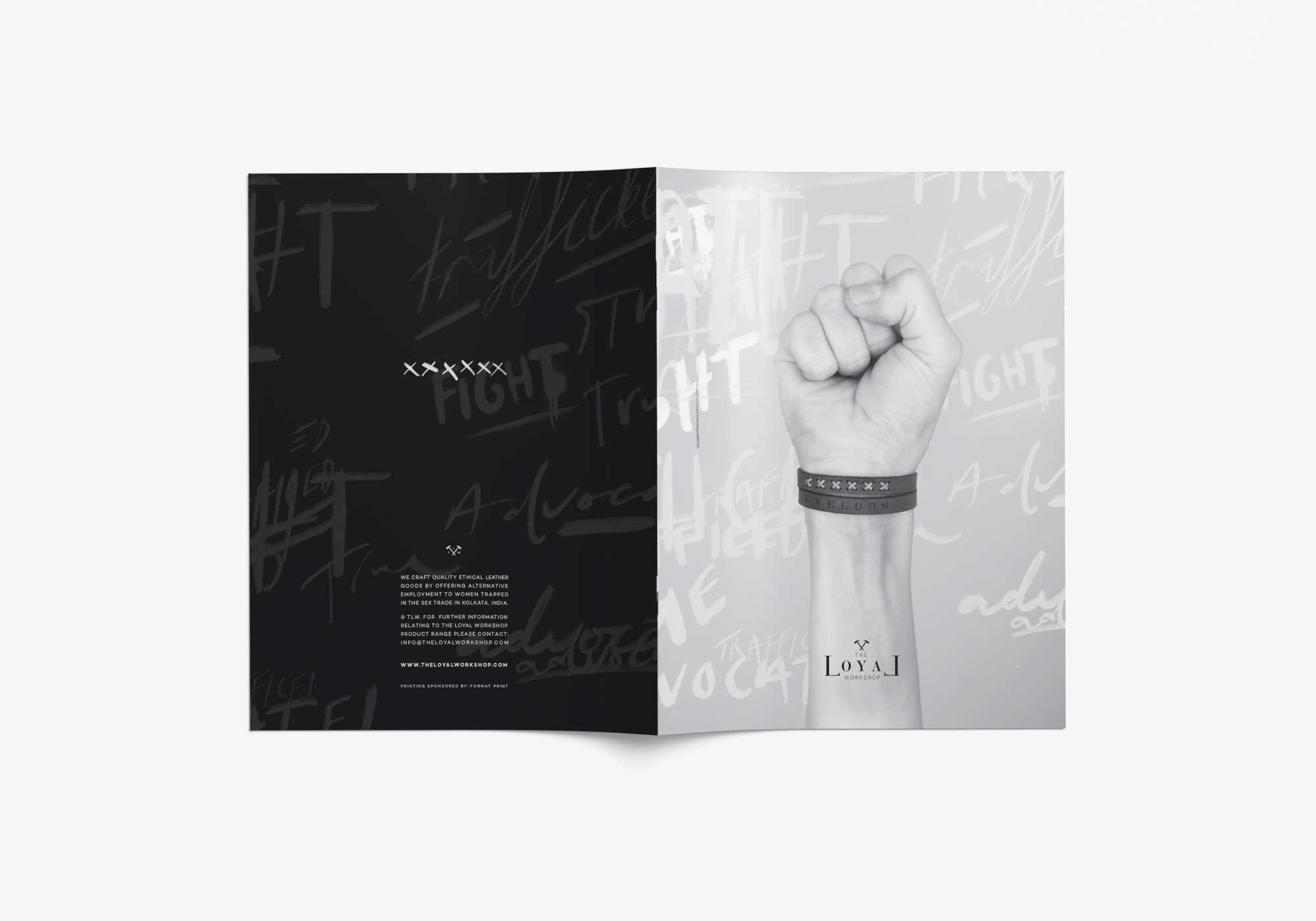
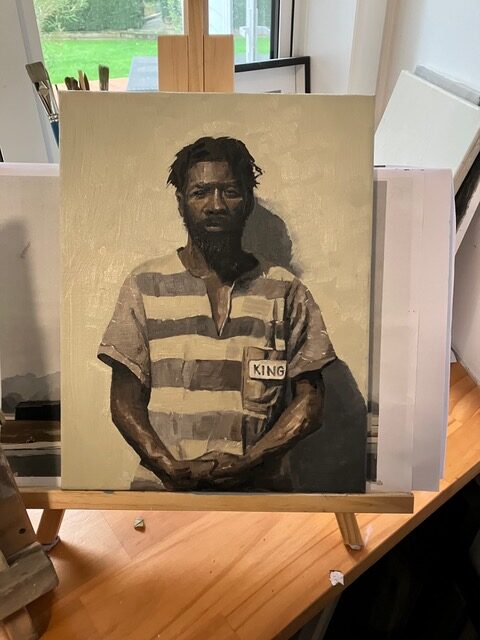
Vine Design is an extraordinary enterprise, providing services to numerous Christian organisations and charities, many of which would otherwise struggle to reach the people, and markets they need to reach. They’re the design powerhouse behind The Loyal Workshop, Arotahi, NZCMS, Musalaha, and Compassion Aoteroa, to name just a few of the organisations they empower. We talked with Vine’s founders, Matt and Liz Watson about how the work began, and how they understand what they’re doing, and why. Matt’s also a gifted artist, so we also took the chance to talk God and creativity—Ed.
Tell us how Vine Design began
Matt: Vine began through a deep sense that creativity can be part of mission, and from a desire to show that design, storytelling, film and strategy can strengthen the work of people already serving on the front line. It began as an idea, but God has faithfully provided, opening doors and bringing the right people and projects along the way.
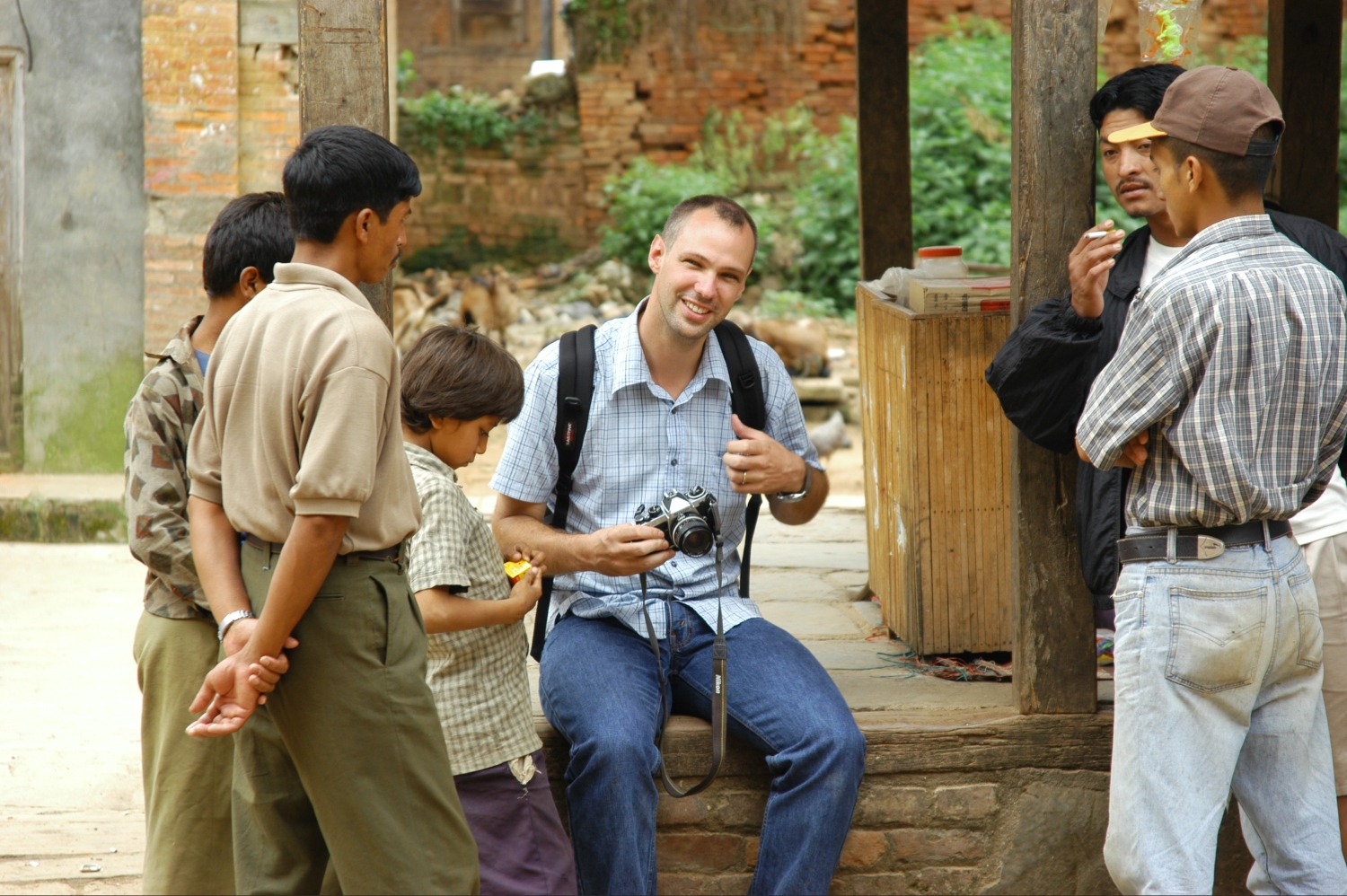
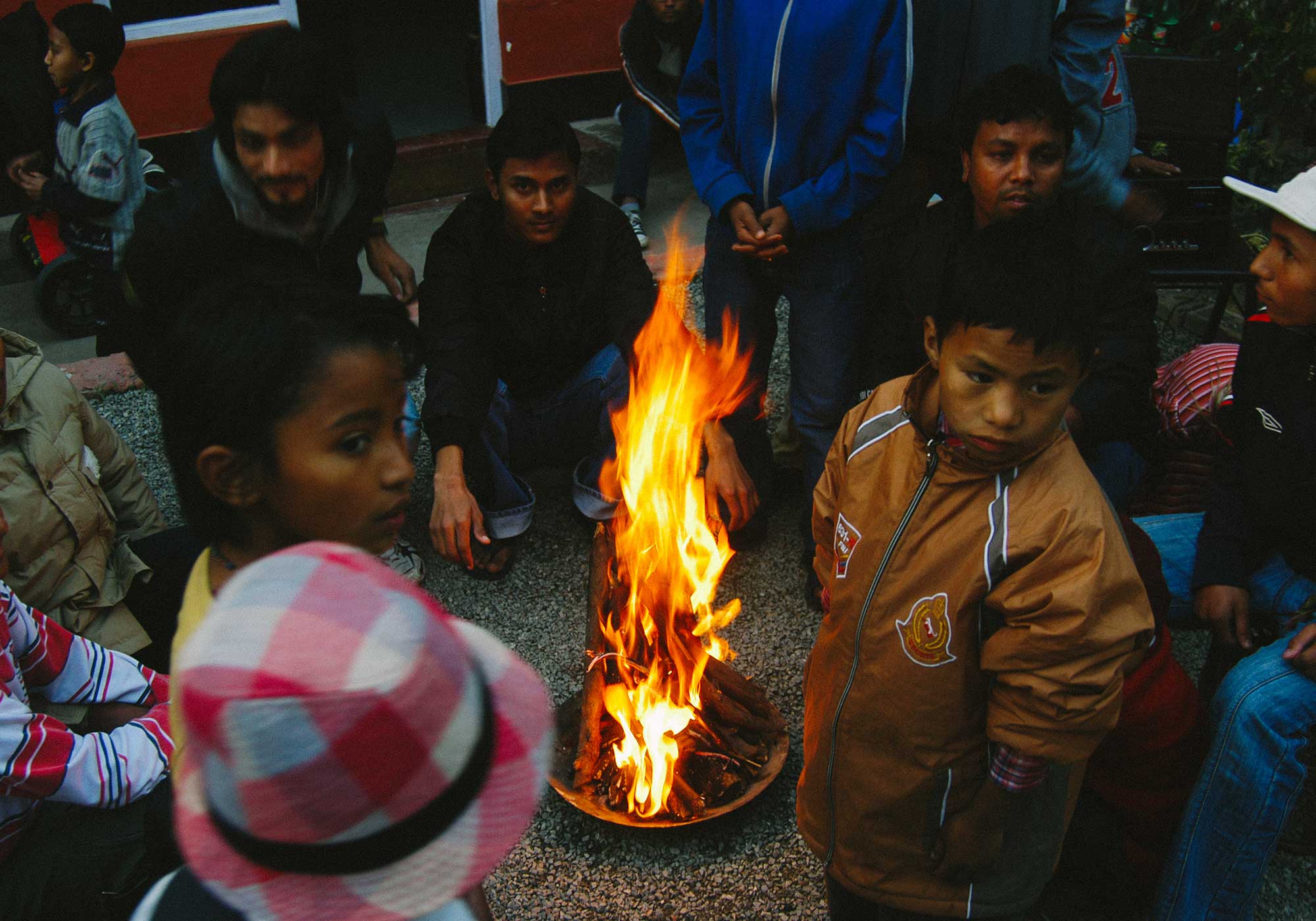
It goes back a long time, actually. I felt a deep sense of call when I was in my 20s to use the skills that God had given me, trying to connect them with an area of need in the world. That led to travelling overseas. I met a guy called Tim Frank in Nepal, who was a mission worker there with his wife, Jutta. He was a designer—and I had just finished training as a designer. He really shifted my way of thinking about design and how I saw my work. It was the first time I realised I can actually use my skills, my career, the thing that God has created me to do, to actually extend his kingdom. Tim was doing that in Nepal, and so I saw that firsthand.
He was an amazing guy. He used to say: God deserves the best advertising. He was like: It’s all about promoting God through the work I do. Ultimately, it’s sort of redeeming advertising, redeeming design as a way to promote the kingdom and God’s work. He was working for International Nepal Fellowship, a mission agency. And so I went and worked with him for a month, and we became good friends. He came back many years later, you know, through emailing—this was before Skype and Zoom calls—we would e-mail and phone each other (cost me hundreds of dollars in phone calls!) He had a dream to set up a business in Kathmandu working with nonprofits and Christian mission agencies, and I’d been talking about going there. I remember we talked on a Friday—and then I got an e-mail from his boss, Martin, to say that he’d been tragically killed on his motorbike. That was a real shock—there’s a whole story around that. But for me, Tim was really the start of all of this.
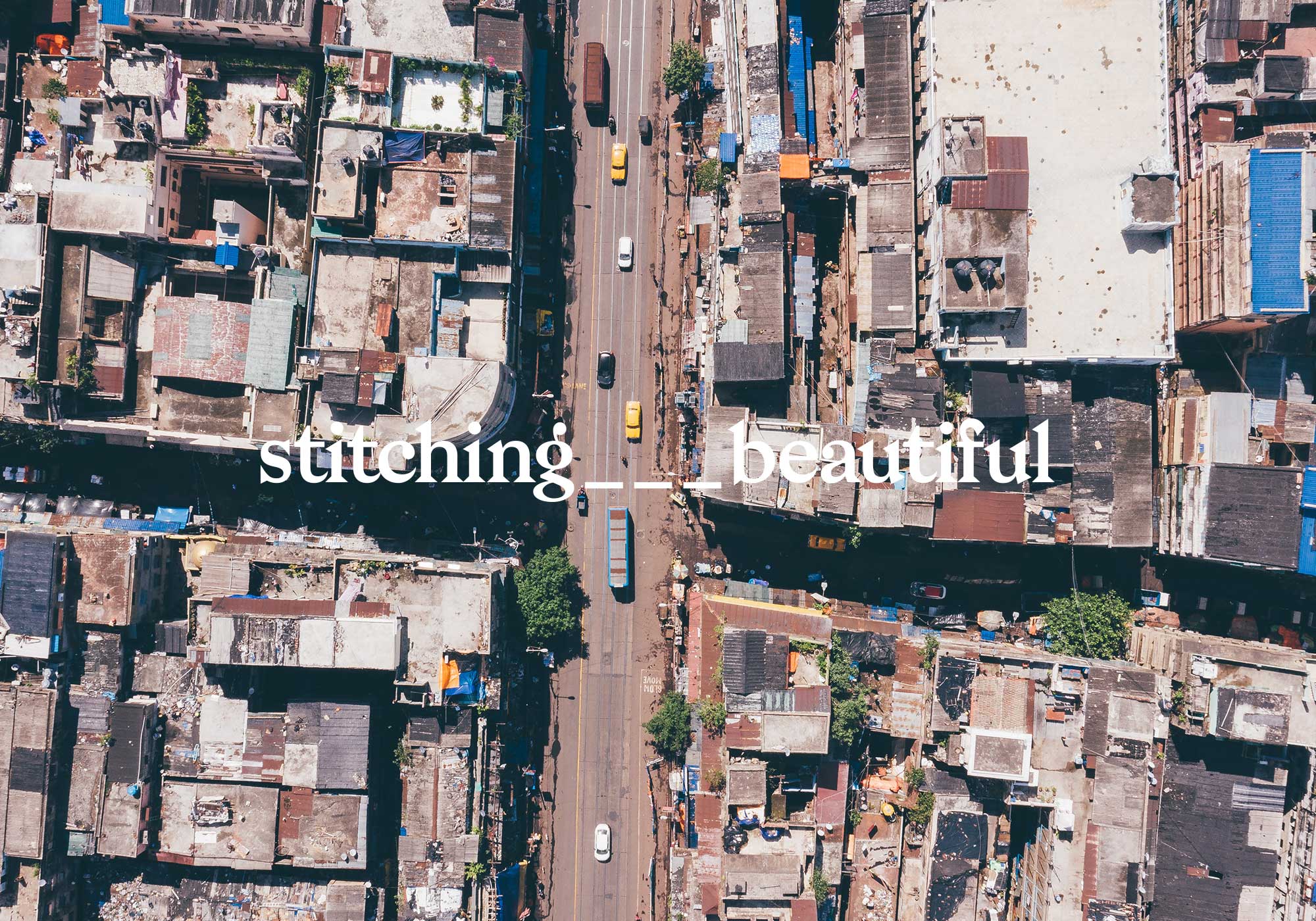
Liz: He was the catalyst for the original idea. And him being killed was actually the catalyst for us to go to Nepal pretty quickly because they needed another designer. Martin, Tim’s boss, emailed Matt and said: Would you come and take Tim’s position? So we went. When we were on the ground, we saw how many missions and Christians doing business there, who had no sense of how to market themselves or do communication or design or websites. We saw a real need for that, a gap in the market for that sort of work. We came back to New Zealand after four-and-a-half years in Nepal. Matt carried on a bit of the work for INF, but then other organisations approached us. And so, the work grew.
Matt: There’s a lot of great organisations in the world, Christian mission agencies and businesses and freedom-business nonprofits. In Nepal alone, there’s about 70,000 NGOs; New Zealand’s got about 70,000 nonprofits and charitable trusts. Often they don’t have the resources to invest in telling their stories well. Things like brand, storytelling, a website, their marketing plan—it’s sort of a tacked-on thing. And that’s my bread and butter. That’s what I enjoy doing, taking someone’s story and articulating that in a really powerful way in order that people might go: I want to support this organization, I want to pray for this organization. I want to get behind this organization. I want to join this organization.
We live in a world where storytelling has become a powerful tool for business and organisations—to recruit people, but also to raise money, to get people to pray for them, and also just to communicate who they are well. There’s just so much noise out there. What we’re trying to do is cut through that noise and reach the people that an organisation is trying to reach in a powerful way. You know, when we talk about brand and marketing, some Christians might have an aversion to that. Actually, what we’re trying to do is tell an organisation’s story in an authentic way, in a way that’s true to who they are and what they’re trying to do, and talk about the impact of the work in a way that honours God. That’s what Tim wanted to do; he saw that need as well.